Student Bios
Alexis Young
Yeohong Yoon
Federico (Fede) Sánchez Vargas
Cheng Liu
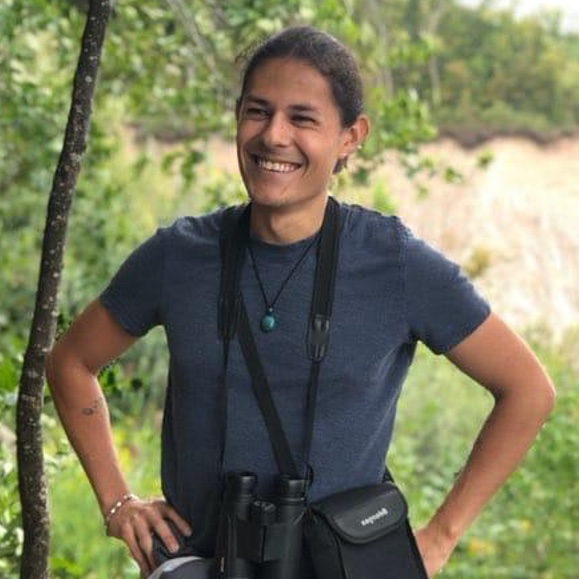
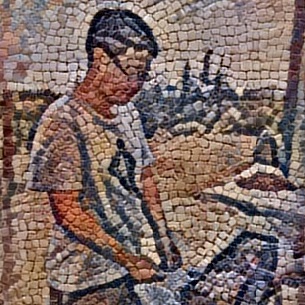
Cheng Liu is a doctoral student in the Department of Anthropology at Emory University. He has a wide range of research interests across Old World prehistory, hunter-gatherer societies, lithic analysis, and cultural evolution. For his dissertation project, he is trying to identify the differences between demic diffusion, cultural diffusion, and convergence as seen in the generation of highly similar stone artifacts at the assemblage level through computational modeling and experimental archaeology.
Prior to joining Emory, Cheng completed his BA at Wuhan University, China and MA at the University of Haifa, Israel, both in archaeology, during which he has been involved in multiple excavation and survey projects ranging from the Middle Paleolithic to the 20th century.
Sarah Kovalaskas
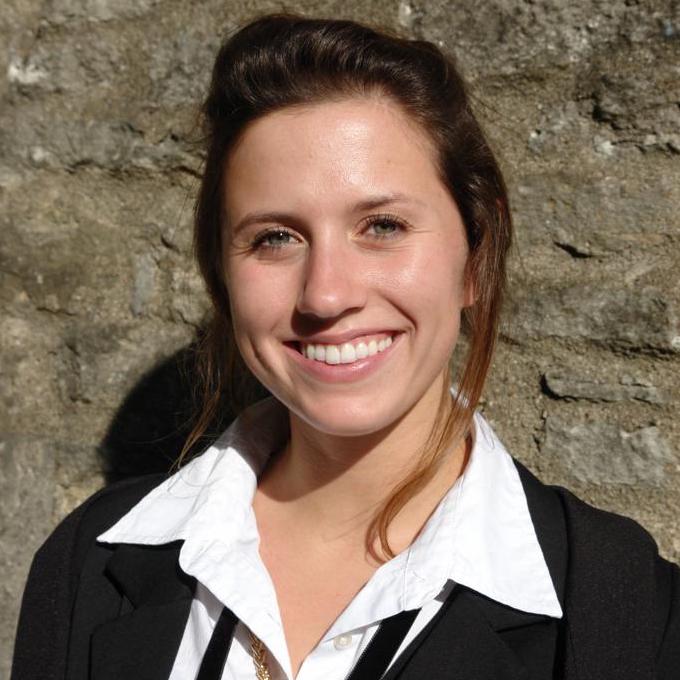
"I am a Phd candidate in Biological Anthropology with broad interests in the evolution of primate social behavior, especially as it relates to the origins of human cognition and culture. Leveraging my past experiences in behavioral endocrinology and fieldwork in primate behavioral ecology, my dissertation research investigates the evolutionary processes and underlying mechanisms supporting cooperative group defense in wild capuchin monkeys in Guanacaste, Costa Rica at the Capuchins de Taboga field site."
"Prior to joining the Emory Anthropology department, I received a B.A. in Anthropology and minored in Religion at Florida State University. I completed an MSc in Cognitive and Evolutionary Anthropology from the University of Oxford with a thesis investigating the impact of social climate on behavioral synchrony. Since 2011, I have been involved in research with humans and several different primate species including Bolivian gray-eared titi monkeys in Bolivia, bonobos in the Democratic Republic of Congo, and rhesus macaques at the Emory National Primate Research Center. When I’m not observing primates, I enjoy hiking in the north GA mountains and exploring the city via the Atlanta BeltLine."
Caius Gibeily
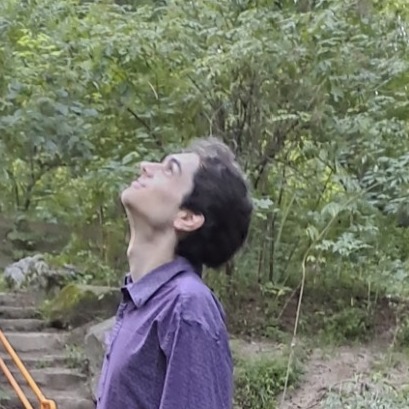
Caius Gibeily is a doctoral student in the Neuroscience graduate program interested in combining techniques in molecular and computational neuroscience to explore typical brain development and aging. He previously read molecular and cell biology at the University of St Andrews, UK, and completed an MSc Neuroscience at Oxford. His previous research projects have explored questions in neurodevelopment and degenerative disease, including understanding the role of VIP+ inhibitory interneuron maturation in sensory processing in barrel cortex and developing a microfluidic platform for interrogating the neuromodulatory landscape in models of Parkinson’s Disease.
Nicole Furgula
Nicole Furgala is a doctoral student in Biological Anthropology interested in the evolutionary origins of social cognition using interdisciplinary methods across anthropology and comparative cognition. Her research investigates perspective-taking and mental state attribution in capuchin monkeys by developing experimental methodologies in captive capuchins that can also be translated to the wild. This provides a multi-species comparison between tufted capuchins in captivity, and white faced capuchins at the Capuchins de Taboga field site in Costa Rica, while considering both experimental control and ecological validity. She aims to explore the evolution of Theory of Mind as it relates to distinctly human cognition, as well as the socio-ecological pressures shaping species-specific social cognition. For an additional comparative perspective, she also investigates chimpanzee social and technical development.
Prior to coming to Emory, Nicole completed her MSc in Evolutionary and Comparative Psychology from the University of St. Andrews in Scotland, where she studied species-specific play behaviors across chimpanzee and bonobo development, and completed her BAS in Zoology and Psychology from the University of Guelph, Canada.
Evan Cunningham
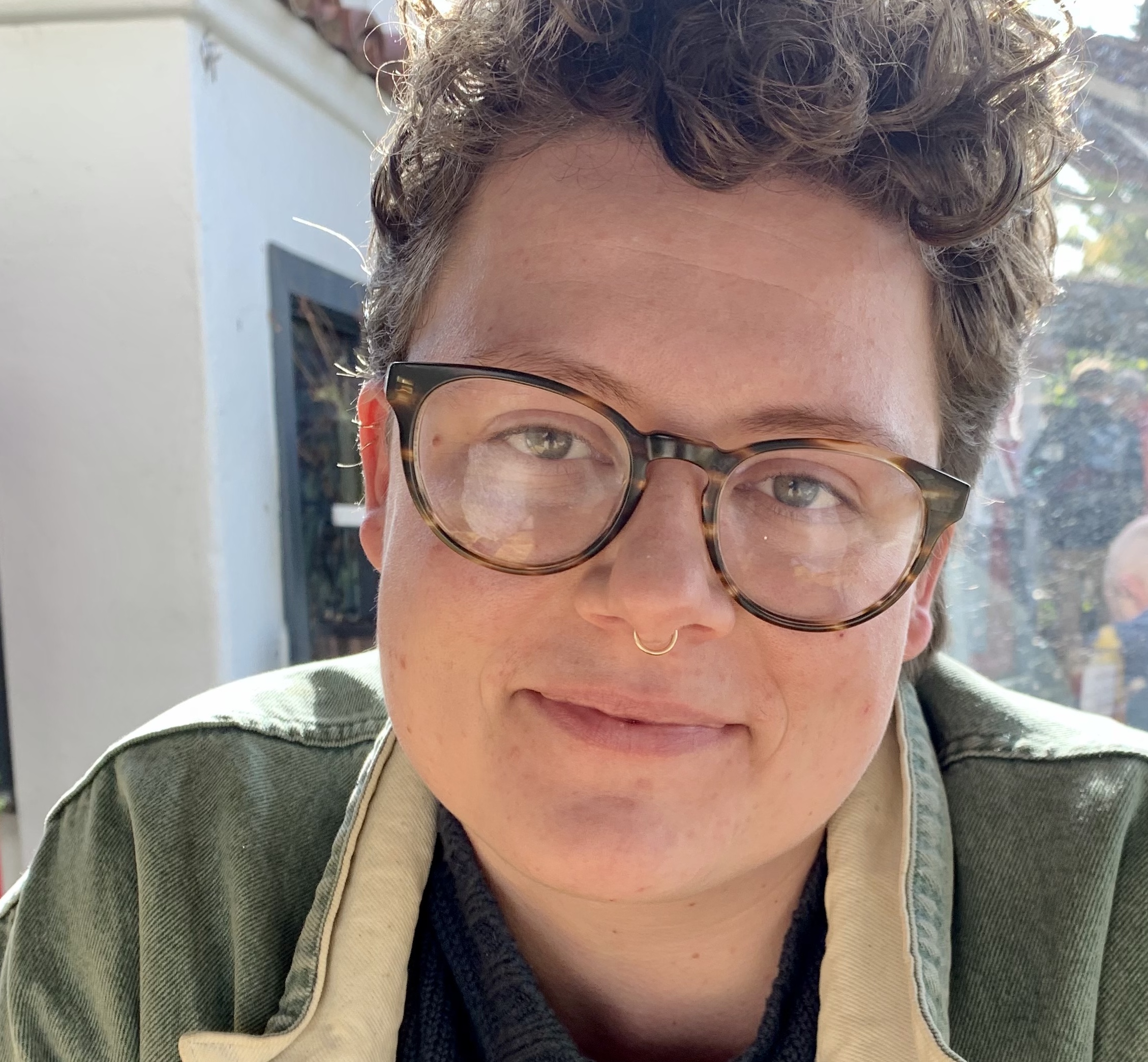
Mariana Bicalho Maia Correia
Mariana is a Fulbright doctoral student in Biological Anthropology interested in the evolutionary origins of complex social cognitive traits — what are the cognitive mechanisms underlying the evolution of language, how do language and sociality influence cultural transmission, and what neural correlations can be made between such behaviors? Through a comparative approach, drawing parallels between humans and nonhuman primates, Mariana hopes to investigate the evolutionary connections between social learning, language evolution and toolmaking.
Prior to joining Emory, Mariana completed her MSc in Health Sciences (concentration in Neuroscience) and her BSc and Licentiate teaching degree in Biology from the University of Brasilia, in Brazil. She has experience in the areas of Neurophysiology, Psychopharmacology and Animal Behavior, and has conducted prior research on animal models of psychiatric disorders.